By John D. · Updated 2026-07-01 · 8 min read
 Starting a self-sufficient backyard can be a rewarding and fulfilling experience. By the end of this guide, you will know how to plan, plant, and maintain a backyard that provides food, herbs, and even energy. This journey toward self-sufficiency not only benefits your family but the environment as well. With a little guidance, even beginners can develop their gardens into bountiful sources of fresh produce. Before diving in, you will need some basics. It's crucial to gather gardening tools such as a spade, rake, and watering can, along with quality seeds or seedlings that suit your climate. Consider keeping gardening books, like "The Self Sufficient Backyard," handy for reference on various plants and techniques. Also, evaluate sunlight availability and soil quality in your backyard to kickstart your self-sufficient gardening journey. ### Step 1: Assess Your Space Start by evaluating your backyard space. Measure the area available for planting and consider its sunlight exposure and water source. Aim for at least six hours of direct sunlight for most vegetables to thrive. You could create raised beds for better drainage if your soil is poor or rocky. Watch out for any obstacles like tree roots or pests that may cause issues later. Taking the time to measure and analyze your plot will save you headaches down the road. ### Step 2: Choose Your Plants Wisely Selecting the right plants is vital. You should choose crops suited for your geographical region and personal preferences. Beginners often make the mistake of choosing complicated or high-maintenance plants. Start with easy-grow options like tomatoes, lettuce, and herbs. To avoid community pest issues, research companion planting, where certain plants support each other's growth and reduce pests. This knowledge will help you maintain a thriving garden. ### Step 3: Optimize Your Growing Techniques Once you have chosen your plants, consider methods to optimize growth. Techniques like crop rotation and soil amendment improve health. Using organic fertilizers can enhance nutrient levels. Be sure to water early in the morning or late in the evening to reduce evaporation. Observing your plants regularly allows you to spot issues like wilting or pest infestations before they escalate. ### Step 4: Finalize and Verify Your Setup Now that your plants are in the ground, double-check that everything is in place. Make sure you have a watering schedule that matches your climate. It's wise to keep notes on plant growth and any changes you notice, so you can adapt your methods as needed. Once your initial setup is complete, embrace the learning process. Each season will bring new challenges and surprises, teaching you how to better manage your backyard. ### Troubleshooting If Something Goes Wrong If your plants are struggling, don’t panic. Check for signs of disease or nutrient deficiencies. Yellowing leaves could indicate a nitrogen shortage, while wilting might suggest overwatering. Engage with local gardening communities online or through social media for advice. The knowledge of seasoned gardeners can be invaluable in resolving unexpected issues. ### Summary Table of All Steps
 | Step | Action |
|---|---|
| 1 | Assess your backyard space |
| 2 | Choose easy-to-grow plants |
| 3 | Optimize your growing techniques |
| 4 | Finalize your setup |
✓ Pros
Reduces grocery bills and carbon footprint
Provides access to fresh and organic produce
✗ Cons
Requires initial investment in tools and seeds
Time-consuming to maintain
Resource mentioned in this article
The Self Sufficient Backyard
See current details and pricing
Learn more about The Self Sufficient Backyard →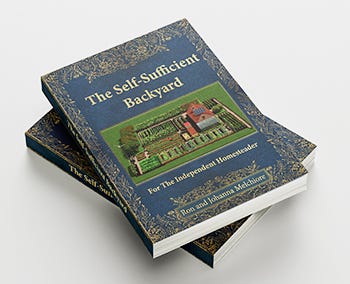
Full information available here
Explore The Self Sufficient Backyard →
Option featured in this guide:
Find out more about The Self Sufficient BackyardAffiliate link — our editorial analysis remains independent.
Frequently Asked Questions
This article contains affiliate links. Our editorial analysis remains independent.