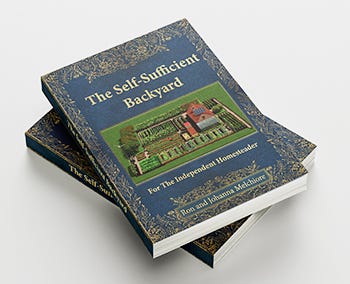
The desire for a self-sufficient lifestyle is growing among many individuals tired of relying on external systems for food, energy, and resources. However, with a plethora of guides available, it's essential to find one that genuinely delivers on its promises. In this review of *The Self Sufficient Backyard*, we will analyze its offerings and determine whether it's an effective guide for anyone looking to cultivate a self-sufficient home. The book claims to provide readers with the tools and knowledge necessary to create a self-sufficient backyard, offering a blend of gardening techniques, energy sustainability, and practical advice. The question remains, does it meet these expectations? ## What *The Self Sufficient Backyard* Promises vs. What You Actually Get The first expectation many have when purchasing *The Self Sufficient Backyard* is that it will serve as a comprehensive guide. The authors indicate that readers can expect detailed plans for gardening, water systems, and energy solutions among many other aspects of self-sufficient living. However, upon diving into the content, one may find inconsistencies in detail and applicability. For instance, while there are clear diagrams and plans laid out for gardens, the insights into renewable energy options tend to be less detailed. ## Real Strengths with Specific Examples *The Self Sufficient Backyard* has several notable strengths that make it a beneficial resource for individuals aiming for self-sufficiency: 1. **Practical Gardening Techniques**: The book excels in gardening, offering step-by-step instructions for growing various vegetables, herbs, and fruits. For example, it includes detailed instructions on creating a raised garden bed, which can help beginner gardeners understand the process. 2. **Sustainability Projects**: The book provides innovative projects like building a rainwater harvesting system. Readers can follow simplified steps to implement this, making it accessible even for those with little DIY experience. 3. **Visual Learning**: Throughout the book, there are numerous illustrations and diagrams that simplify complex topics. An example can be seen in the clear visual guide for companion planting, assisting readers in maximizing their garden space. Illustration showing effective companion planting strategies. ## Real Weaknesses Without Minimizing While the book has strengths, it's important to address its shortcomings. Here are a couple of evident weaknesses: 1. **Lack of Depth in Some Sections**: Some chapters, particularly regarding renewable energy systems, are overly simplified. Readers seeking an in-depth understanding may find themselves wanting more information, especially if they're interested in off-grid living. 2. **Limited Focus on Climate Considerations**: The strategies and plants recommended may not consider specific climate variances, making them less applicable for readers in diverse geographic locations. ## Pros and Cons
✓ Pros
Detailed gardening techniques and visuals for beginners.
Practical tips on sustainability projects like rainwater harvesting.
Easy-to-follow instructions that make complex topics accessible.
✗ Cons
Certain sections lack depth, especially on renewable energy.
May not cater to all climatic conditions for gardening.
Some advice may feel outdated for current sustainability trends.
*The Self Sufficient Backyard* is undoubtedly a useful starting point for beginners interested in exploring self-sufficiency. It delivers fundamental knowledge and actionable steps, making it approachable for those new to gardening or sustainability projects. ## Who It Is Genuinely Suited For This guide is best suited for: - **Beginners**: Individuals with little to no experience in gardening or DIY projects will find the instructions uncomplicated and easy to follow. - **Urban Dwellers**: Those with limited outdoor space can utilize container gardening tips and small-scale projects effectively. - **Families**: The book offers family-friendly projects that can encourage children’s involvement in gardening and sustainability. ## Who Should Look Elsewhere If you're a seasoned gardener or sustainability enthusiast seeking advanced techniques or systems, this book may not provide the depth you require. It might be better to explore more specialized resources or literature that dive deeply into energy self-sufficiency and advanced gardening techniques. ## How It Compares to Alternatives When placed side by side with other self-sufficiency books, *The Self Sufficient Backyard* shines in its practical advice but lacks the depth found in some competitors, such as *The Backyard Homestead*.
Criteria
The Self Sufficient Backyard
The Backyard Homestead
Coverage of Gardening Techniques
Comprehensive for beginners
Advanced techniques covered
Sustainability Projects
Good basic projects
Diverse projects with depth
Visual Aids
Many illustrations
Fewer but detailed illustrations
## Verdict and Balanced Recommendation Ultimately, *The Self Sufficient Backyard* serves as a great entry point for those interested in brewing their self-sufficiency. Its strong visual support and comprehensible gardening techniques help novices ease into the practice. However, for individuals seeking an advanced understanding or specialized systems, supplementary materials will likely be needed. If you're curious about the journey of cultivating your backyard into a self-sufficient haven, this guide can be a worthy investment.
Affiliate link — our editorial analysis remains independent.
Frequently Asked Questions
What can I learn from The Self Sufficient Backyard?
The book provides insights into gardening, food preservation, and DIY sustainability projects. You'll learn how to grow your own fruits and vegetables, set up a compost system, and create small-scale energy solutions.
Is The Self Sufficient Backyard suitable for beginners?
Yes, this guide is particularly friendly for beginners. The instructions are straightforward, with many illustrations that make it easier to follow along, making it perfect for those new to gardening or self-sufficiency.
What topics are covered in this book?
Topics include vegetable and herb gardening, food preservation methods, rainwater collection systems, and composting. It provides various techniques that are vital for establishing a self-sufficient environment.
Are there any advanced techniques included?
While the book offers great foundational knowledge, it lacks depth in advanced techniques. Readers looking for sophisticated systems or intricate designs may find it limited and might need additional resources.
Can I adapt the guidelines to different climates?
While the book provides general advice, not all techniques consider climate variances. Readers in extreme climates may need to adjust the methods outlined to suit their local conditions better.
Where can I purchase The Self Sufficient Backyard?
The book can be purchased from major online retailers, including Amazon and directly through the author’s site. Alternatively, you can find it at local bookstores or libraries.
Is there a digital version available?
Yes, a PDF version of *The Self Sufficient Backyard* is often available for purchase, making it convenient for those who prefer digital formats. Ensure you find a reputable source for the digital edition.
What are the main goals of the book?
The main goals of *The Self Sufficient Backyard* are to educate readers on obtaining food autonomy, reducing waste, and creating sustainable living practices through simple, actionable steps that encourage self-sufficiency at home.
This article contains affiliate links. Our editorial analysis remains independent.
 The desire for a self-sufficient lifestyle is growing among many individuals tired of relying on external systems for food, energy, and resources. However, with a plethora of guides available, it's essential to find one that genuinely delivers on its promises. In this review of *The Self Sufficient Backyard*, we will analyze its offerings and determine whether it's an effective guide for anyone looking to cultivate a self-sufficient home. The book claims to provide readers with the tools and knowledge necessary to create a self-sufficient backyard, offering a blend of gardening techniques, energy sustainability, and practical advice. The question remains, does it meet these expectations? ## What *The Self Sufficient Backyard* Promises vs. What You Actually Get The first expectation many have when purchasing *The Self Sufficient Backyard* is that it will serve as a comprehensive guide. The authors indicate that readers can expect detailed plans for gardening, water systems, and energy solutions among many other aspects of self-sufficient living. However, upon diving into the content, one may find inconsistencies in detail and applicability. For instance, while there are clear diagrams and plans laid out for gardens, the insights into renewable energy options tend to be less detailed. ## Real Strengths with Specific Examples *The Self Sufficient Backyard* has several notable strengths that make it a beneficial resource for individuals aiming for self-sufficiency: 1. **Practical Gardening Techniques**: The book excels in gardening, offering step-by-step instructions for growing various vegetables, herbs, and fruits. For example, it includes detailed instructions on creating a raised garden bed, which can help beginner gardeners understand the process. 2. **Sustainability Projects**: The book provides innovative projects like building a rainwater harvesting system. Readers can follow simplified steps to implement this, making it accessible even for those with little DIY experience. 3. **Visual Learning**: Throughout the book, there are numerous illustrations and diagrams that simplify complex topics. An example can be seen in the clear visual guide for companion planting, assisting readers in maximizing their garden space.