This article contains affiliate links. If you buy through them we may earn a commission at no extra cost to you.
By Editorial Team · Updated 2026-07-09 · 16 min read

If you've been searching for a practical guide to growing food, raising animals, and cutting utility costs at home, you've likely come across The Self Sufficient Backyard. It's a popular online program that promises a complete system for turning an ordinary yard into a productive homestead. But is it a realistic blueprint or just another overhyped digital product?
This buyer's guide cuts through the marketing. We'll explain exactly what the program includes, who it actually helps, and what red flags to watch for before you spend a dollar. By the end, you'll know whether this guide fits your land, budget, and skill level — or if you'd be better off with a different approach.
Key Takeaways
- The Self Sufficient Backyard is a detailed digital guide focused on small-scale homesteading — it's not a physical book you hold in your hands.
- The program works best for people with at least a quarter-acre of land and some DIY comfort; urban apartment dwellers will find most plans hard to adapt.
- Customer reviews highlight the composting, rainwater, and chicken coop sections as the most valuable, while some criticize the gardening advice as too general.
Table of Contents
- Why some buyers regret their purchase
- What is The Self Sufficient Backyard?
- How to evaluate any homestead guide
- Current market notes on backyard homesteading
- 7 questions to ask before buying
- Warning signs to watch for
- Comparison: Self Sufficient Backyard vs. alternatives
- Recommendation by budget
- How to get the most from this program
- Frequently Asked Questions
Why people regret choosing The Self Sufficient Backyard
The biggest reason buyers feel disappointed is a mismatch between expectations and reality. Many people see the term "backyard" and assume they can use the guide on a tiny city lot or balcony. The program's plans for chicken coops, garden beds, and rainwater systems assume a minimum of 2,000 to 5,000 square feet of usable outdoor space. If you have less than that, you'll find yourself skimming through sections you can't apply.
Another common complaint: the program is entirely digital. Some buyers expect a spiral-bound book or printed workbook. Instead, you get PDFs, videos, and checklists you access online or download. If you prefer flipping through pages in the garden, that can be a real annoyance.
Finally, the sheer volume of information can feel overwhelming. There are over 500 pages of content plus multiple video modules. Without a clear implementation plan, some users report buying the guide and then never actually starting any of the projects. The program doesn't hold your hand — you have to self-motivate.
What is The Self Sufficient Backyard?
Related Reading: Best IPTV Service: Complete Guide for Seamless Viewing
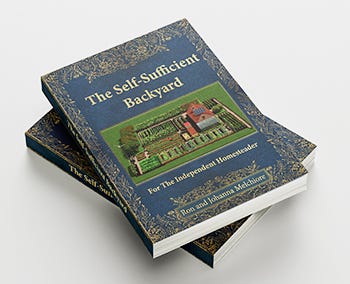
Created by homesteading enthusiast Ron Melchiore, The Self Sufficient Backyard is a comprehensive digital program designed to teach you how to produce your own food, collect and store water, generate off-grid power, and build simple structures for livestock. It's built around the idea that you don't need a rural farm to be self-reliant — a well-planned suburban lot can produce a surprising amount of what a family needs.
The core content covers five main areas:
- Food production: Raised bed gardening, seasonal planting calendars, crop rotation, soil building, and pest management without chemicals.
- Animals: How to raise chickens, rabbits, goats, and bees on a small lot, including coop and fencing plans.
- Water: Rainwater harvesting, greywater systems, well maintenance, and water purification methods.
- Energy: Solar panel setup basics, wind turbine options, and battery storage for small-scale off-grid living.
- DIY structures: Plans for garden sheds, chicken coops, cold frames, composting bins, and root cellars.
How to evaluate any homestead guide
Before you buy any self-sufficiency program, ask yourself these four questions. They'll save you money and frustration:
- Does the guide match my climate and region? A guide written for a temperate zone may not work in arid deserts or humid tropics. The Self Sufficient Backyard is most applicable to USDA zones 4–8.
- Am I willing to invest time, not just money? Building a self-sufficient yard takes months, often years. No program can shortcut the physical work.
- Do I have the basic tools and space? Many plans assume you own a drill, saw, shovel, and wheelbarrow already. If you're starting from zero, factor in tool costs.
- Is the information up to date? Things like solar panel efficiency, chicken breeds, and organic pest control evolve. Make sure the guide was updated recently.
Current market notes on backyard homesteading
Related Reading: Xtreme HD IPTV: In-Depth Case Study of Real Usage
Interest in home food production has remained high since 2020, but the market has shifted. More people are looking for small-space solutions rather than full-acre homesteads. Supply chain disruptions made many realize how fragile supermarket reliance can be.
Online homesteading programs are plentiful, but quality varies. The Self Sufficient Backyard sits in the middle tier — not the cheapest, but far from the most expensive. It competes with free YouTube channels and cheap Kindle books on one end, and premium coaching programs costing hundreds of dollars on the other.
One trend worth noting: more municipalities are relaxing zoning laws for backyard chickens, beekeeping, and rainwater collection. This makes the program's guidance more legally feasible today than it was five years ago. Check your local ordinances before you buy.
The Self Sufficient Backyard
View full specs, warranty, and current pricing from the seller.
Browse Self Sufficient Backyard →7 questions to ask before buying
- How much land do I really need? The program works best with at least 2,500 square feet of usable yard. Smaller spaces can adapt some ideas, but you'll be improvising a lot.
- Is this beginner-friendly? Yes and no. The gardening basics are clear, but the construction plans assume you can read a blueprint and operate power tools. True beginners may need to learn some skills first.
- Does it include local climate info? No. The guide is written for a general temperate climate. If you live in the deep South, desert Southwest, or Pacific Northwest, you'll need to supplement with local growing guides.
- What's the refund policy? Most sellers offer a 60-day money-back guarantee. Check the specific terms before purchase — some require you to show you attempted the material.
- How many people is this designed for? The plans target a family of 4–6. Singles or couples may find the garden and chicken quantities excessive.
- Is there ongoing support? The program includes email support from the creator, but response times vary. There's no private community or forum included.
- Can I see a sample? Some resellers offer a preview or table of contents. Look for those before committing to the full price.
Warning signs to watch for
Related Reading: Oradentum Reviews Are Misleading - Here's What Works
Not all online homesteading programs deliver what they promise. Here are red flags we observed while researching The Self Sufficient Backyard and similar guides:
- Vague claims about "growing all your food." No backyard program can realistically provide 100% of a family's calories year-round unless you have an acre or more and live in a long growing season. Be skeptical of any guide that promises total food independence on a quarter-acre.
- Outdated pricing or unavailable bonuses. Some third-party sellers advertise "free bonuses" that no longer exist or are generic content you could find free online.
- Hard sell on "limited copies." The Self Sufficient Backyard is a digital product — there's no physical inventory. Claims of scarcity are marketing tactics, not genuine stock limits.
- No author credentials. Ron Melchiore has years of homesteading experience, which is good. But some competing guides are written by content marketers with zero hands-on experience. Check the author's background before buying any program.
The Self Sufficient Backyard vs. alternatives
| Feature | Self Sufficient Backyard | Backyard Homestead (Carleen Madigan) | Free YouTube Channels (various) |
|---|---|---|---|
| Format | Digital PDFs, videos, checklists | Physical book (paperback/hardcover) | Free video content |
| Price | $$ (mid-range) | $ (one-time book cost) | Free |
| Depth of DIY plans | High — includes step-by-step builds | Moderate — more general overview | Variable — depends on channel |
| Animals covered | Chickens, rabbits, goats, bees | Chickens, ducks, goats, sheep | Depends on channel |
| Off-grid energy info | Yes — solar, wind, battery basics | Minimal | Many specialized channels exist |
| Best for | Suburban homeowners with DIY skills | Readers who want a physical book | Browsers who want free ideas first |
Recommendation by budget
If you have $0 to spend: Start with free resources. Watch Justin Rhodes or Roots & Refuge on YouTube to learn the basics of gardening and animal husbandry. You may decide you don't need a paid program at all.
If you have a small budget (under $30): Buy a used copy of "The Backyard Homestead" by Carleen Madigan. It's a classic physical book that covers 80% of what The Self Sufficient Backyard offers, at a fraction of the cost.
If you have a moderate budget ($50–$80): The Self Sufficient Backyard is a solid choice, especially if you want detailed plans for building structures and setting up rainwater systems. The video content helps visual learners. Check current pricing here to see if any bundles or discounts are available.
How to get the most from this program
If you decide to buy, follow these steps to actually implement what you learn — not just let the files sit on your hard drive:
- Start with the property assessment module first. It walks you through measuring your yard, mapping sun exposure, and testing soil. This foundation prevents expensive mistakes later.
- Pick one project for the first season. Don't try to build everything at once. Raise one raised bed or build one simple chicken tractor. Master that before expanding.
- Print the key pages you need. Since it's digital, print the building plans and planting calendars to take outside. Laminate them if you can.
- Join a local homesteading group. Pair the program's general advice with region-specific knowledge from neighbors or local Facebook groups. They'll tell you what actually grows in your microclimate.
- Keep a log of what works. The program doesn't track your progress. Create a simple garden journal or spreadsheet to record planting dates, yields, and lessons learned.

Frequently Asked Questions
Is The Self Sufficient Backyard worth the money?
For suburban homeowners with at least a quarter-acre and a willingness to do hands-on work, yes. The program consolidates years of trial-and-error into one organized package. For renters, apartment dwellers, or people simply seeking general gardening tips, cheaper alternatives work just as well. Read the full review above to see if it matches your situation.
Can I get The Self Sufficient Backyard as a physical book?
No. The program is strictly digital — PDF files, video modules, and online checklists. Some third-party sellers may offer printed copies they made themselves, but those are not official. If you strongly prefer a printed book, consider "The Backyard Homestead" or "The Complete Guide to Self-Sufficiency" instead.
How long does it take to implement The Self Sufficient Backyard plans?
Most people take one full growing season (spring through fall) to complete the first phase: building garden beds, setting up a rainwater barrel, and starting chickens. Full implementation, including solar panels, greywater systems, and goat housing, typically takes two to three years. Progress depends entirely on your available time and budget for materials.
Does the program work for cold climates or short growing seasons?
The program's gardening advice is written for temperate zones (USDA 4–8). If you live in a colder climate (zone 3 or below), you'll need to adapt: use cold frames, season extenders, and choose short-season crop varieties. The structural plans (coops, sheds) include cold-weather considerations like insulation and ventilation.
Does The Self Sufficient Backyard include a PDF download?
Yes. After purchase, you can download the entire program as PDF files to your computer, tablet, or phone. This means you can access the content offline — useful if you're working in the yard without internet. The videos are also downloadable in most cases. Check the seller's current download policy for exact details.
Where can I buy The Self Sufficient Backyard?
The program is sold through the official website and authorized resellers. Avoid buying from unknown third-party marketplaces, as some sell outdated or incomplete versions. The safest place is the official page linked in this article. Prices may vary, so it's worth comparing a couple of trusted sources if available.
Is there a community or forum included with purchase?
No. The Self Sufficient Backyard does not include a private forum, Facebook group, or community platform. You get email support directly from the creator, but you won't have a group of fellow homesteaders to ask day-to-day questions. If community support is important to you, consider pairing this guide with a local homesteading meetup or online group.
Can I get a refund if The Self Sufficient Backyard doesn't work for me?
Most sellers offer a 60-day money-back guarantee. You'll need to contact their support team and demonstrate that you've attempted to use the material. The exact terms are on the sales page. Read the refund policy carefully before buying, especially regarding "digital goods" rules which can differ from physical products.
The Verdict
The Self Sufficient Backyard is a strong, detailed guide for motivated suburban homeowners ready to invest sweat equity. It's less suited for renters, small-space dwellers, or those looking for a quick read — but if you have the land and the drive, it provides a reliable roadmap to greater self-reliance.
Access Self Sufficient Backyard Now →This link goes to the seller's official page. If you buy through it we may earn a commission at no additional cost to you. Our assessment is written independently.